Fence Construction Planning in Brantford, Ontario
Why it matters
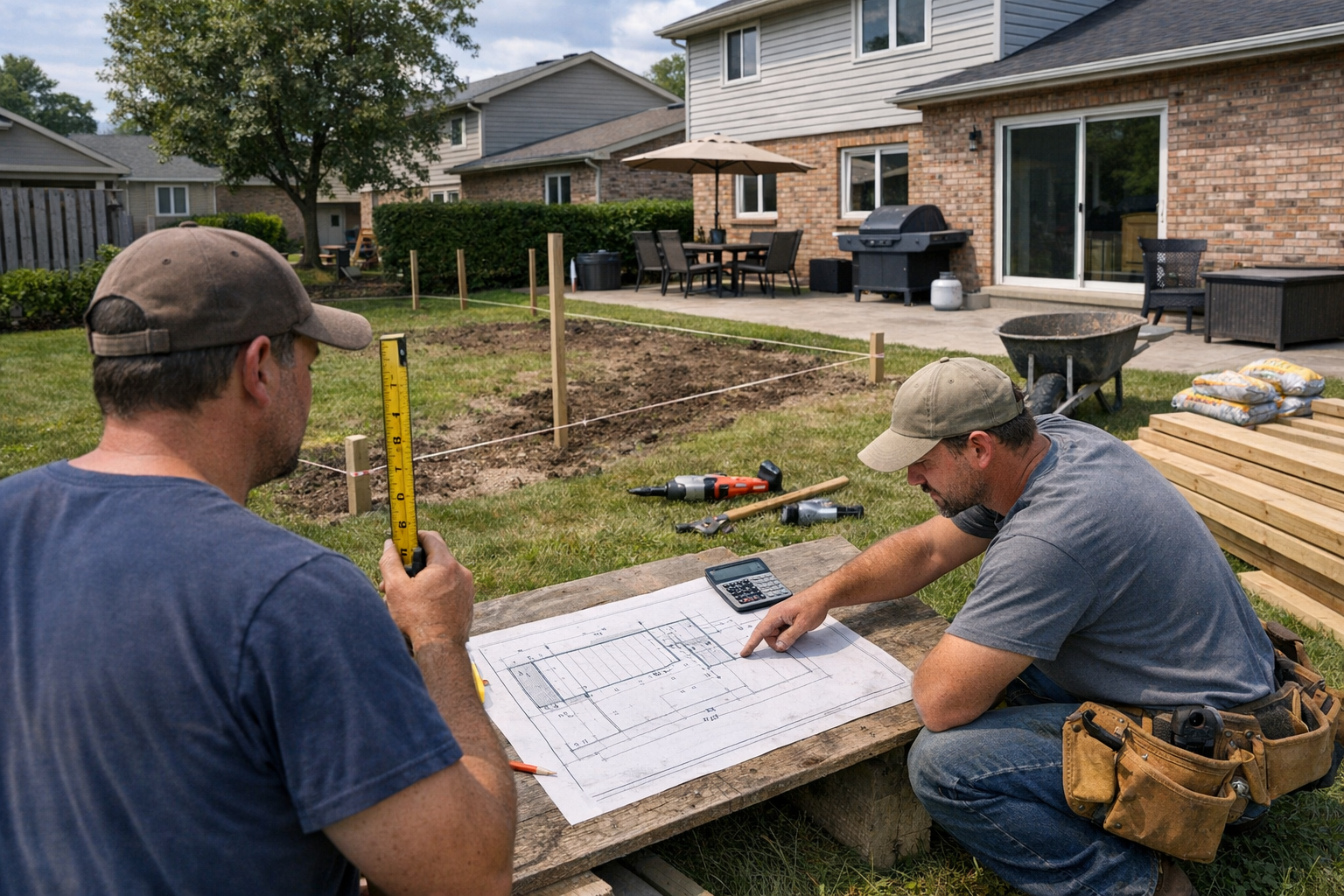
A fence project can go off track before the first post hole is dug. In Brantford, the biggest problems usually come from unclear property lines, height limits, drainage issues, and missed budget items. Good planning helps you avoid disputes, rework, and delays.
Verify the property line before layout starts
Do not assume an old fence marks the true boundary. Previous installations are often set inside the line, and some were placed incorrectly from the start.
If you build on the wrong side, the fix can be expensive. Moving posts, panels, and gates after installation usually costs far more than confirming the line first.
Use a current survey if one is available. If the markers are missing or the lot shape is irregular, a professional layout may be the safest step before materials are ordered.
Check Brantford permit and bylaw rules early
Fence rules affect height, placement, and visibility near streets or corners. Those limits matter because a design that looks fine on paper can still fail a local review.
Height should match the problem you are trying to solve. Privacy, child safety, pool separation, pet containment, and sightlines all push the design in different directions.
Choose fence height based on actual use
A taller fence may improve screening, but it can also reduce visibility at exits and corners. A shorter fence may keep the yard more open, yet it may not block neighbours, traffic, or dogs the way you expect.
Before settling on the final layout, compare your plan against Brantford’s fence bylaw requirements. Missing a setback or height restriction can force changes after posts are set, which usually means wasted labor and damaged materials.
- Privacy areas often need more height along shared yard lines.
- Front and corner sections usually need better visibility.
- Gate height should match the fence, or the weak point becomes obvious.
The common mistake is choosing one height for the entire lot without thinking about how each side functions. Side yards, rear yards, and street-facing sections often need different treatment.
Assess grading, drainage, and site access
Sloped ground changes how a fence can be built. You may need stepped panels, racked panels, or custom site-built sections, and each option affects appearance and cost.
Drainage matters just as much as grade. If water already runs along the fence line, poor post placement can speed up movement, wash out soil, and shorten the life of the installation.
Fence quotes often look simple until the extras start stacking up. Materials and labor are only part of the total cost.
Build the budget around the full scope
Access is another practical limit. Tight side yards, decks, sheds, and tree roots can slow digging and material handling, and some sites need smaller equipment or more hand labor. On projects with unusual conditions, checking municipal building construction information can help you catch site constraints before work begins.
- Gate hardware, latch quality, and wider openings can raise the price fast.
- Old fence removal and disposal are often separate charges.
- Rocky soil, roots, and tight access can add labor time.
Material choice also changes the budget curve. Wood may cost less upfront in some cases, while heavier or longer-lasting options can raise initial cost but reduce near-term repairs. Price the full job before approving the design, then adjust scope before construction starts.
A fence plan works best when the boundary is confirmed, the layout fits the site, and the budget includes the parts people often miss. Sort those details first, then move to installation from one of the top fence companies in Brantford with fewer surprises.