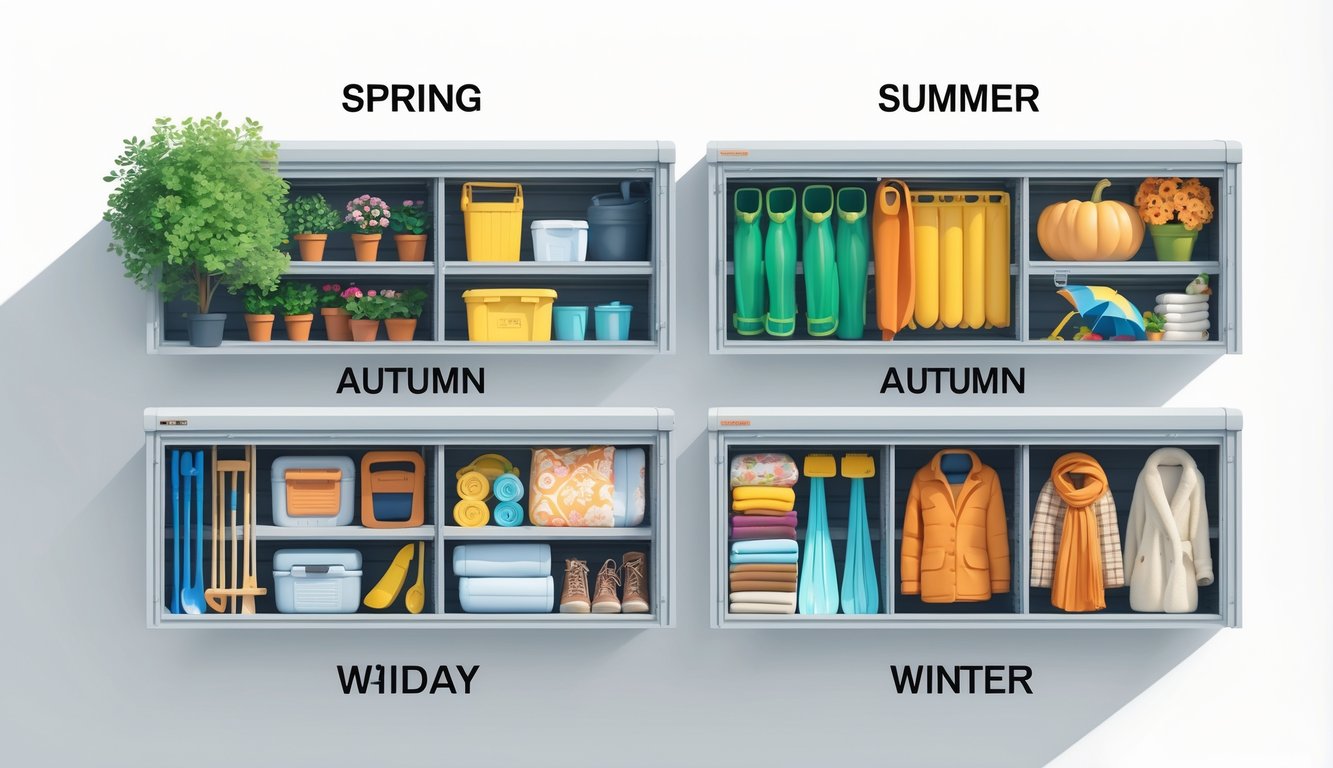
The top items to store during each season in a self-storage unit
Every season brings its own set of items that I need to swap out at home, from bulky winter coats to summer patio furniture. This can make keeping my space organized a challenge, especially when I have limited storage in my Hamilton Mountain home.
Using a self storage unit like the ones at The Storage House in Hamilton lets me keep my home tidy by storing seasonal items safely and making it easy to rotate what I need. Knowing which items to store during each season can help simplify my routine and protect my belongings for future use.
1) Christmas decorations
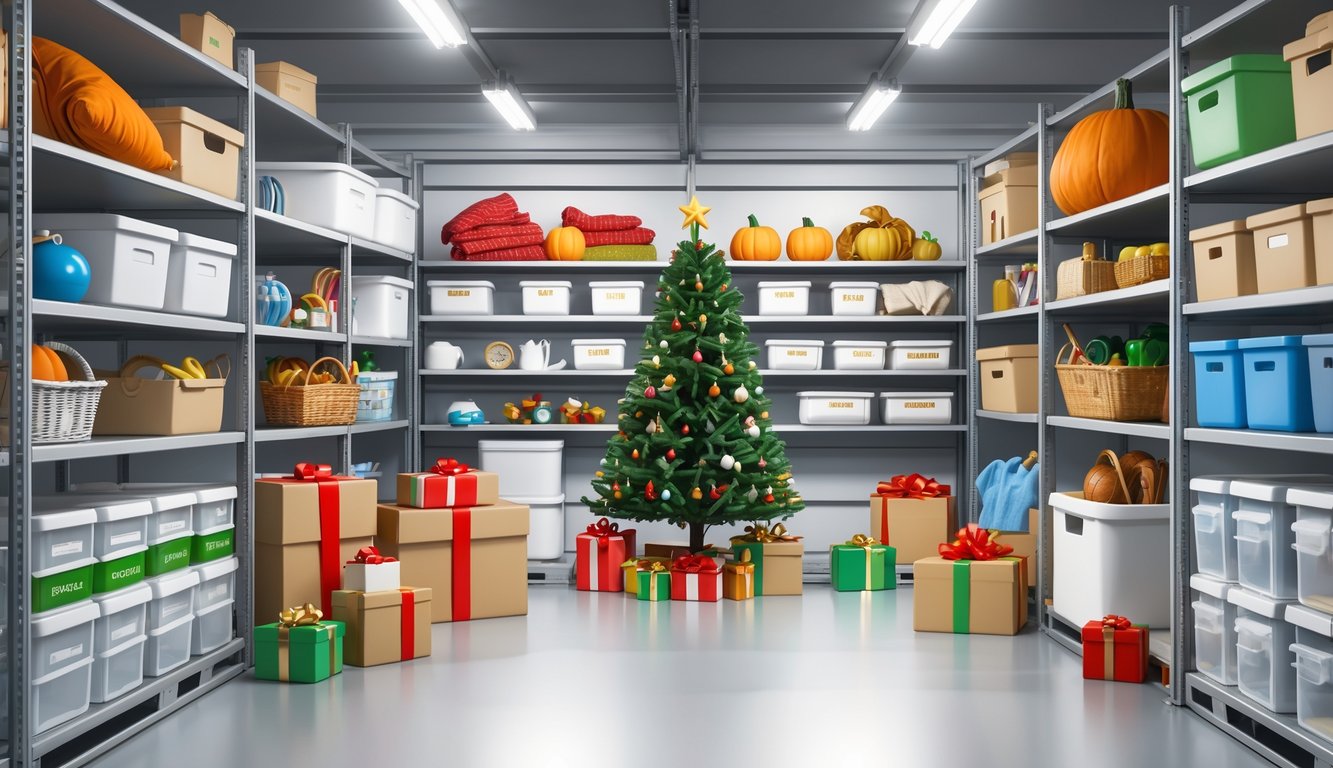
I always notice how much space Christmas decorations take up in my home once the holiday season is over. These items, like tree ornaments, string lights, wreaths, and figurines, are only needed once a year, so storing them in a storage unit makes sense.
To keep everything in good shape for next year, I make sure to pack each decoration carefully. I use sturdy, labeled boxes and avoid stacking heavy items on top of fragile ones. Clear bins help me see what’s inside at a glance, which saves time when I want to decorate again.
Ornaments and lights need extra care to prevent breakage and tangling. Divided ornament boxes and light reels can keep these items safe and easy to find. Wreath storage containers protect greenery and keep it from getting crushed.
I find it helpful to mark all boxes as fragile when packing away holiday decor. This simple step reduces the risk of items breaking during storage. Using color-coded bins makes it even easier to sort everything by season.
Moisture is another thing I watch out for. Decorations can develop mold or mildew if they get damp. To avoid this, I store items in a dry place and sometimes use silica gel packs or other moisture absorbers.
If I have a lot of decorations, long-term storage is often the best solution. Storing these items outside of my home frees up space and keeps everything organized until the next holiday season.
2) Beach chairs
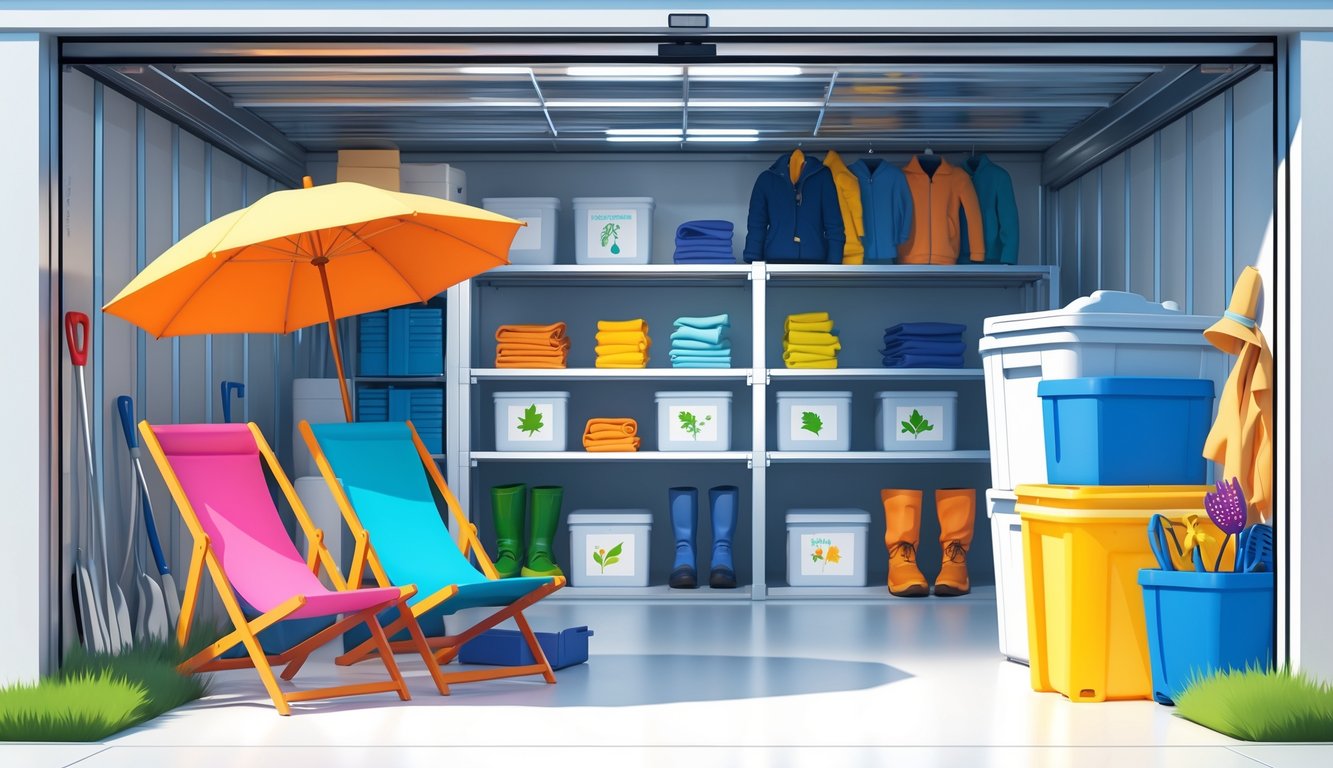
I always find that beach chairs are a top item to store during the cooler months. When summer ends, I don’t use my beach chairs as much, so keeping them out of the way in a self storage unit helps free up space at home.
Before I store my beach chairs, I make sure they’re clean and dry to help prevent mold or unpleasant smells. A quick wipe down and letting them air out for a bit can make a big difference.
There are several ways I can store beach chairs to keep them in good condition. Some people prefer using wall hooks to hang them so they don’t take up floor space. Others use storage bins or an outdoor storage box, especially if they want to keep everything organized with other summer items. More ideas for storing beach chairs can be found by checking out these beach chair storage ideas.
Storing beach chairs in a climate-controlled area can help prevent damage from extreme temperatures. Fabric and metal can both wear out faster if they get too hot or too cold over time.
If I plan to use my beach chairs regularly all year, I might keep them in an easy-to-reach place like a garage or utility closet. Otherwise, the attic or a self storage unit works well if I know I won’t need them until next season.
Beach chairs fold flat and are lightweight, so I can often fit several in a single storage area. This makes them easy to stack and store with other seasonal gear. Keeping them stored away safely extends their life, and helps keep my home tidy until the next beach day.
3) Winter snow boots
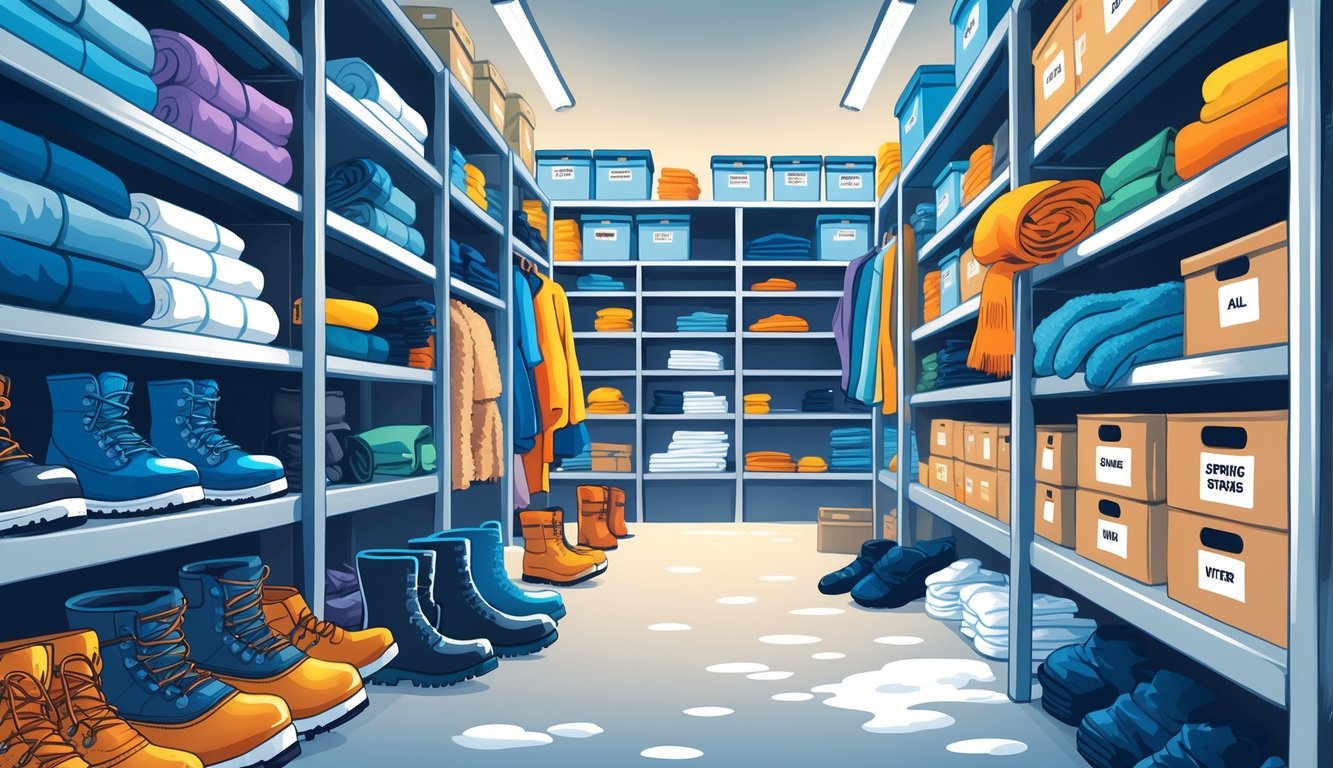
When winter is over, I find it helpful to store my snow boots in a self storage unit. This gives me more space at home and keeps my entryway clear when I do not need bulky footwear for a while.
Before storing, I always clean my boots to remove dirt and salt. Wet or dirty boots can cause odors or damage over time. Drying them is important because moisture can lead to mold.
I use airtight plastic containers or bins to protect my boots. This keeps out dust and pests. Labeling each container helps me find what I need quickly when winter returns.
Group boots by size or family member for easier access. If I store other winter gear, like mittens or coats, putting these items together in one area is smart. This keeps everything organized for the next cold season.
Using boot shapers, rolled towels, or even old newspapers can help boots hold their shape while in storage. Collapsed or bent boots might not fit as well next year.
Some experts suggest keeping winter boots in a cool, dry location to protect the materials. Self storage units are often a good option for keeping winter clothing and boots organized.
If I pack away all winter boots after the season, I free up a lot of closet and mudroom space. This makes daily life less cluttered and helps keep the rest of my footwear easy to reach during warmer months.
By following these storage steps, my winter snow boots are ready to wear when the cold returns. I do not have to worry about unpleasant odors or finding them in a rush at the start of winter.
4) Patio furniture
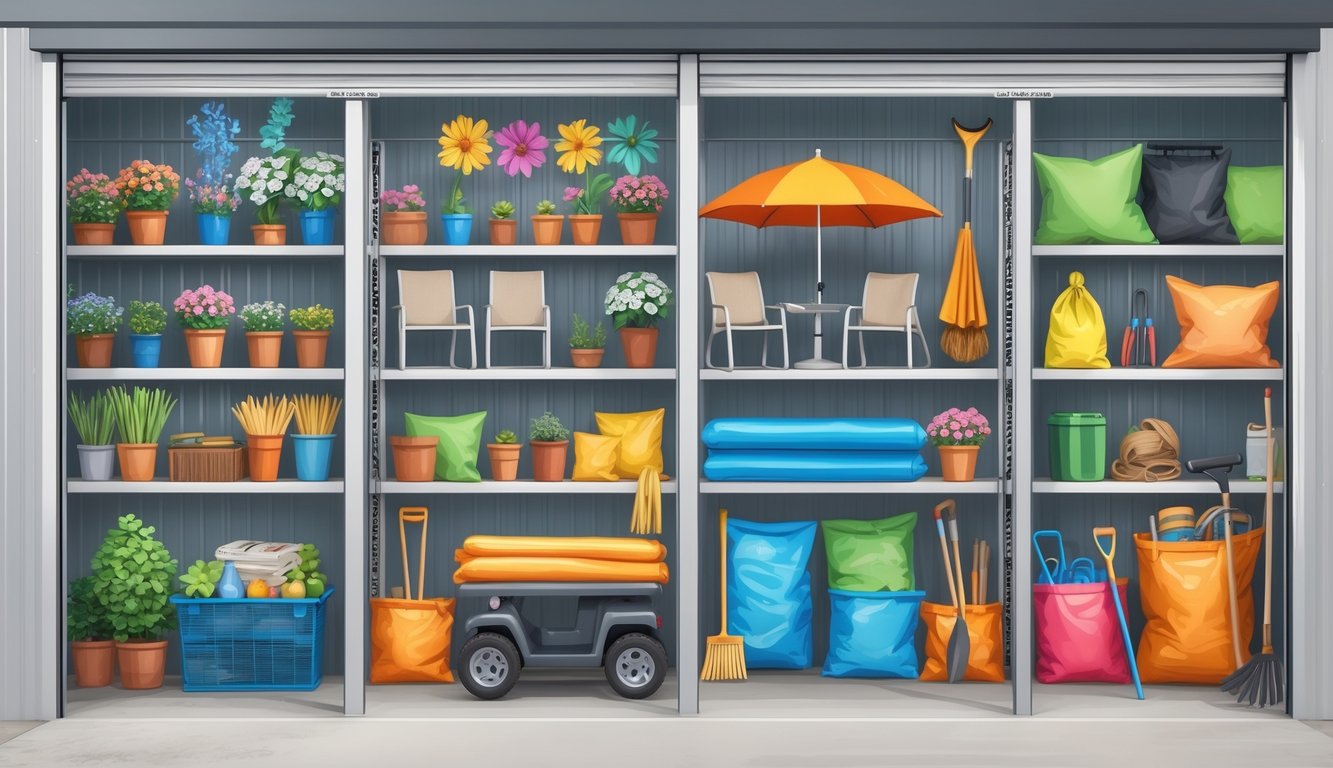
I always find that patio furniture is one of the top items to move into storage between seasons. Chairs, tables, and loungers can take up a lot of room at home, especially when you are not using them during colder months.
Before moving my patio furniture to storage, I make sure to clean it well. Even if the furniture looks clean, small bits of dirt or moisture can cause damage while stored. I wash off cushions and wipe down frames to help keep everything in good shape, which is supported by many storage tips.
Stacking or covering items helps protect against dust and scratches. I use covers if available, or place blankets between items that could bump into each other.
For large tables or bulky items, I recommend taking them apart if possible. This saves space in the storage unit and helps prevent any breaking or warping. Smaller patio items, like cushions or umbrellas, are easy to keep together in large plastic bins or bags so I don’t lose track of them.
Storing patio furniture away from direct sunlight and moisture also keeps it from fading or rusting. This keeps my furniture ready to use again when the weather turns nice, and my home feels less crowded in the meantime.
5) Ski equipment
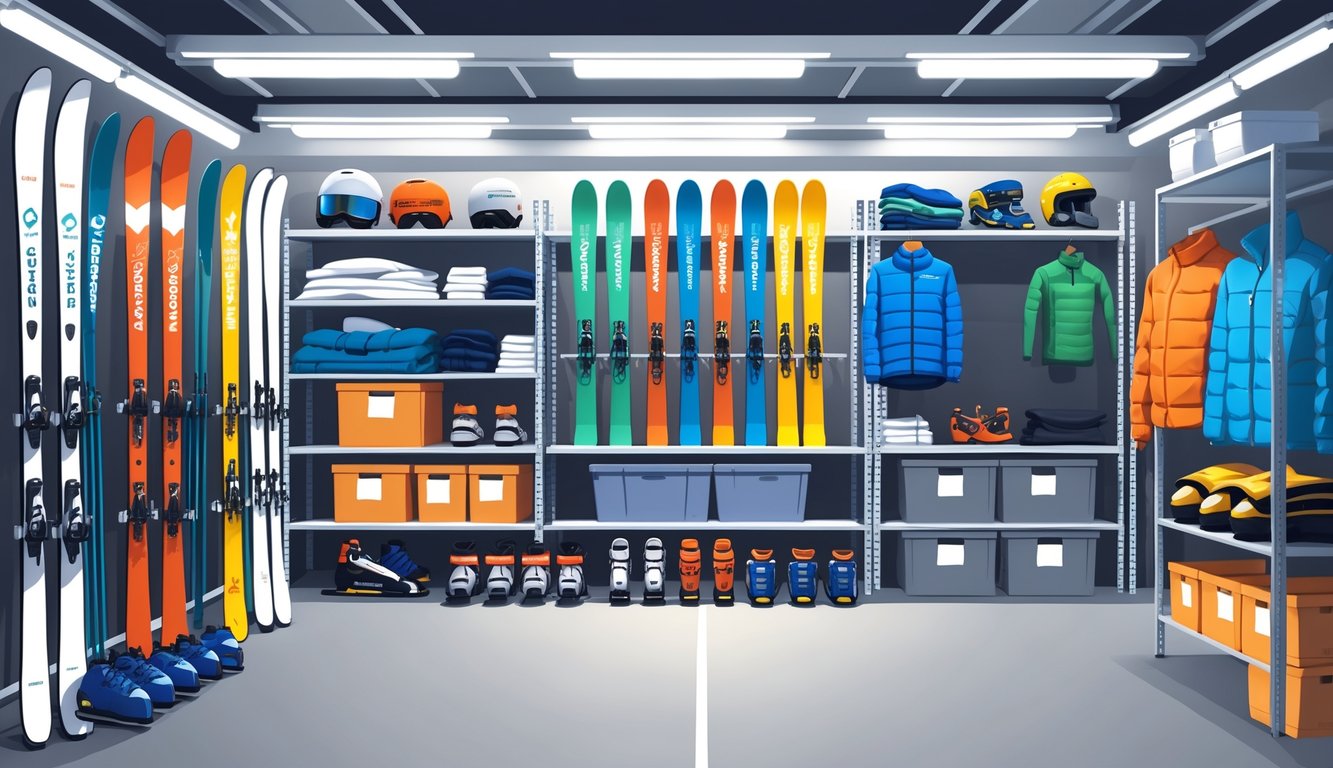
I always find that ski equipment takes up a lot of space, especially during the warmer months when it’s not being used. Storing skis, boots, and poles in a self storage unit keeps my home organized and helps protect this gear until winter comes back around.
Before I put my skis away, I make sure they are clean and completely dry. Moisture can cause rust on the metal parts and damage the ski bases. It’s best to store skis in a cool, dry area that avoids big changes in temperature. Even at home, this is the recommended approach, according to tips on proper ski gear storage.
I don’t just store my skis—I also put away helmets, goggles, and ski clothing. Storing everything together helps me find what I need quickly when the season returns. I like using shelves or hooks to keep items off the floor and avoid any potential water damage.
When placing ski boots in storage, I always make sure the liners and insides are completely dry to prevent mold or bad smells. Simple racks or shelves work well for boots, but some people use boot dryers for an extra level of care. More ideas for organizing this gear can be found in storage tips for ski equipment.
Studies show that using climate-controlled storage units can reduce gear wear by up to 70% when compared to regular conditions. This helps my gear last longer and stay in good shape for the next season. Keeping everything properly stored means I’m ready to head to the mountains as soon as the snow starts falling again.
6) Bicycles
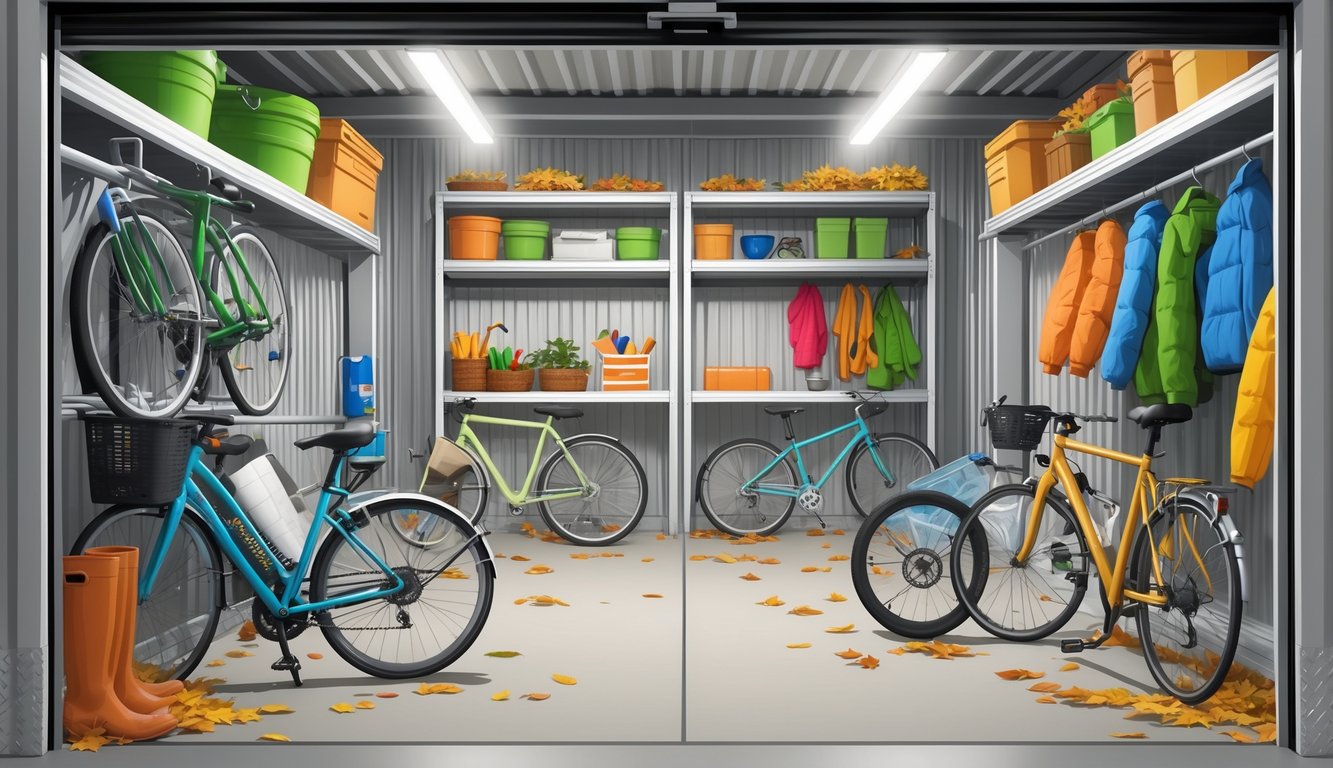
I often find that bicycles take up valuable space at home, especially during the winter or off-season. Storing them in a self storage unit is a practical way to protect them from weather and free up room at home. Bikes can be stored for months at a time and stay in great condition if handled the right way.
Before storing, I always clean and dry my bicycle to keep away rust and dirt. I also try to deflate the tires just a bit, so they don’t go flat from sitting too long. Lubricating the chain and moving parts helps prevent them from seizing up while in storage.
I recommend covering my bicycle to shield it from dust. For longer storage, I like to hang the bike from hooks or racks. This stops the tires from developing flat spots and helps keep everything in shape. According to some helpful bike storage tips, organizing bikes like this also makes them easier to access later.
When cycling season comes back around, I can easily swap my bike out for other gear I need less often. Using a self storage unit lets me rotate seasonal items, making the most efficient use of my available space. Keeping bikes stored this way can also help cut down on repairs and make them last longer.
7) Golf clubs
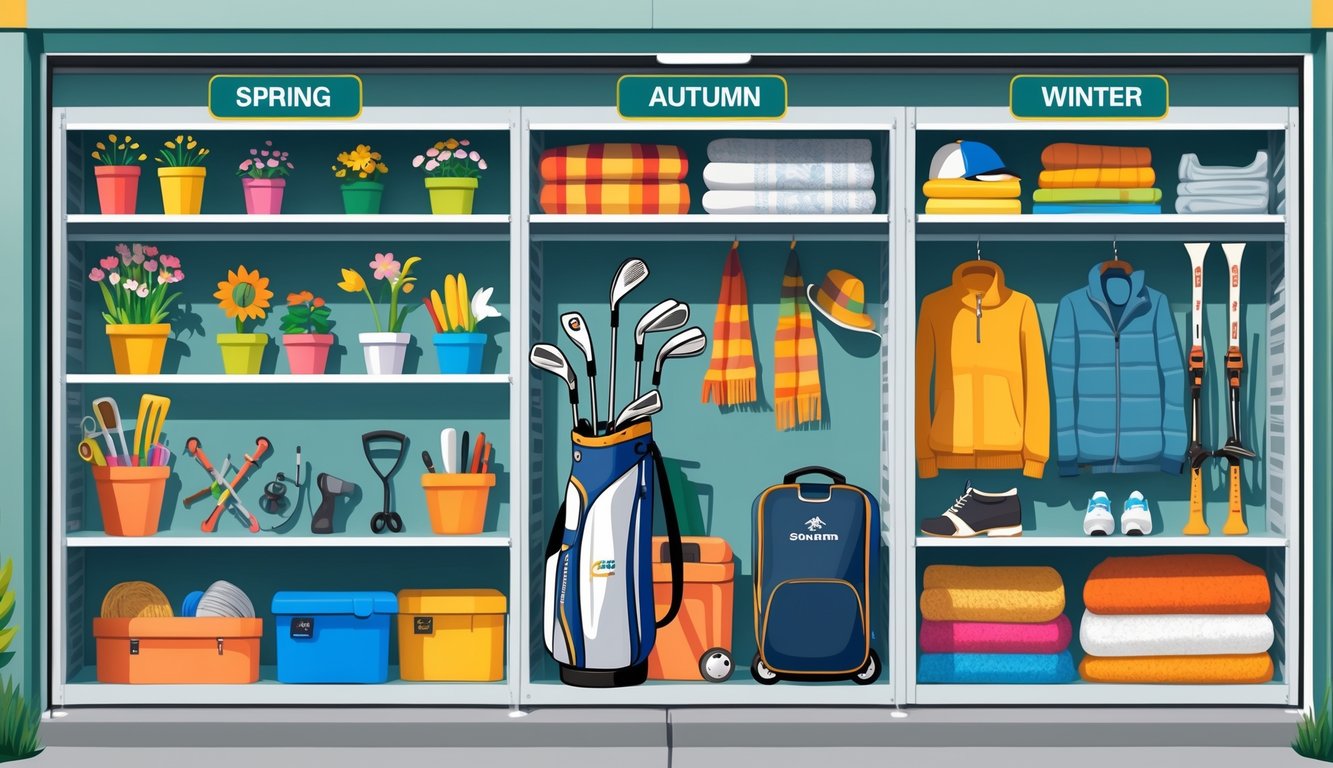
When each season changes, I know my golf clubs can take a back seat for a while. That’s why storing them the right way is so important for keeping them in good condition year after year.
Before putting my golf clubs into storage, I always make sure they are clean and completely dry. Leaving even a little bit of moisture on the clubs can cause rust or other damage to the shafts and clubheads. Steel components are especially at risk of rust if not dried well.
I store my clubs upright in the bag. This helps the shafts keep their proper shape and avoids bending. Using a closet or other spot where the bag can stand up straight is best. Stacking anything on top of the clubs should always be avoided.
Storing clubs in very hot or damp areas is risky. High heat, such as in a car trunk, can reach over 150°F and weaken the glue that holds the clubheads in place, which may result in damage or clubhead separation. I avoid humid spots to help prevent rust and mold from forming on the grips or shafts.
For long-term storage, I choose a climate-controlled storage unit when possible. Climate control helps keep both temperature and humidity levels steady, which helps protect my golf clubs from extreme conditions. Some guides recommend wrapping the heads in a towel or using padded covers to prevent any accidental scratches.
I never store my clubs if they are wet or dirty, and I check them now and then to make sure they are still in good shape. For more tips on correct club storage, I refer to resources such as these golf club storage guidelines and more details on safe golf club storage options.
8) Camping gear
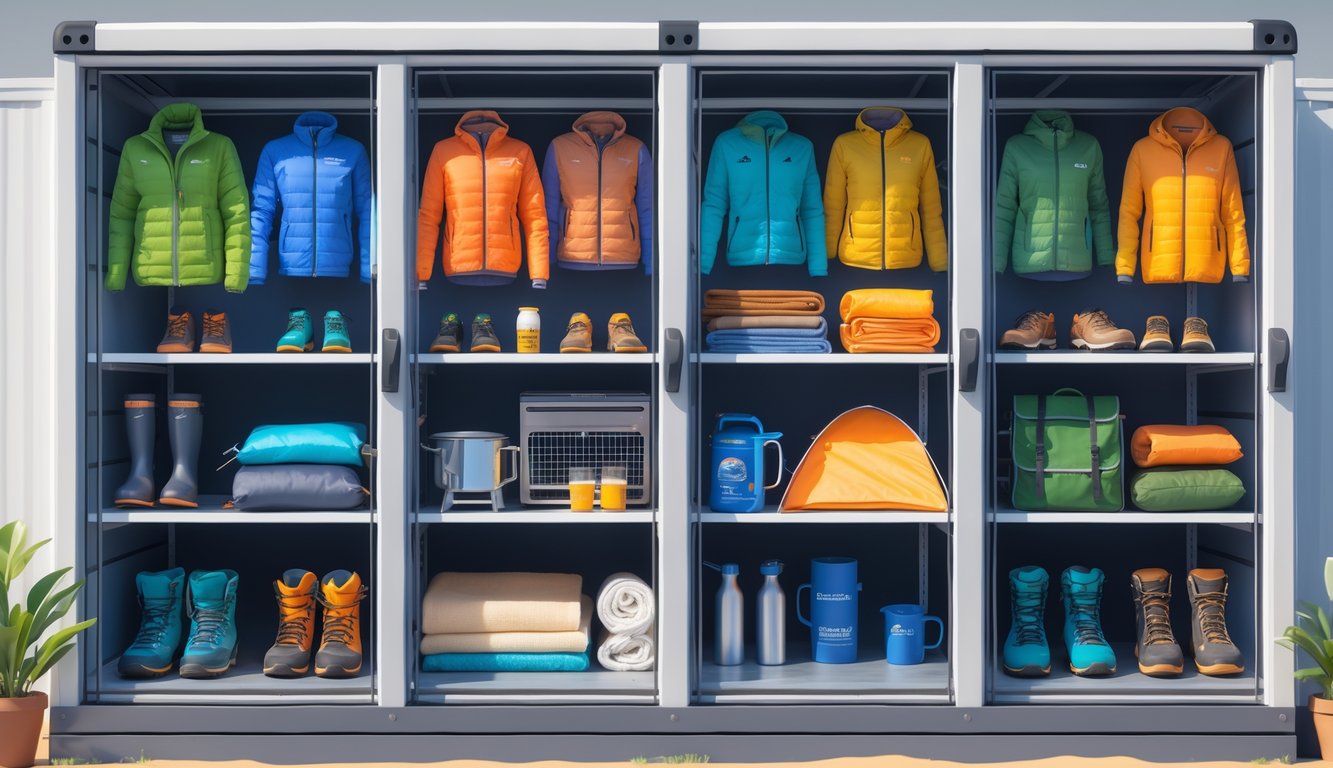
I always make sure to store my camping gear at the end of each season so it stays in good condition and ready for the next trip. Tents, sleeping bags, cooking stoves, lanterns, and backpacks are some of the main items I keep in storage between camping adventures.
Before storing, I clean every item and make sure everything is completely dry. This helps prevent mold, bad smells, and damage. I use clear plastic bins for most gear to protect it from dust and moisture. Clear bins also let me see what’s inside without having to open each one.
I keep heavier gear, like tubs filled with cooking tools or tents, on the floor or bottom shelf. Lighter items, such as camp chairs or tarps, go on higher shelves. Following this system makes it easy to reach what I need first. It also keeps me from hurting myself when moving heavy items.
It’s a good idea for me to store all my camping equipment together in a cool, dry place. Storing it this way helps gear last longer and saves me time packing for any new trip I want to take. One helpful tip is to keep smaller items, like headlamps, batteries, or matches, in labeled bags so nothing gets lost.
According to experts, organizing and storing gear properly can help keep it safe from damage, theft, or weather issues. Plastic storage bins can also be useful for protecting supplies from water or pests; you can learn more about these tips for organizing and storing camping gear.
By following a simple routine each season, I make sure my gear is protected and easy to find when adventure calls again.
9) Holiday lights
I always find it helpful to store my holiday lights in a self storage unit during the off-season. Holiday lights can take up a lot of space at home, especially when you have several boxes or use different types for indoor and outdoor decorations.
Before I pack my lights, I make sure each strand is untangled and neatly coiled. This prevents knots and keeps the bulbs from breaking. Using original packaging or wrapping them around sturdy pieces of cardboard helps keep them organized and easy to use next year.
I clean my lights and check for any burnt-out bulbs or frayed wires before storing. Taking out any batteries from battery-powered lights is important because old batteries can leak and ruin the lights over time. Storing the lights in a cool, dry place keeps them from getting damaged by dampness or extreme temperature changes, which can cause wires to rust or rubber parts to crack, as experts suggest in tips for keeping holiday decor in good shape.
Labeling each container makes it much easier for me to find what I need when the holidays come around again. I always stack my lights with heavier containers on the bottom, keeping all my cords and accessories together so nothing gets lost.
Using self storage lets me free up space at home and keeps my holiday decorations together in one spot. This makes setting up for any season much simpler each year. Following careful storing steps helps holiday lights last longer and stay ready to use for the next celebration.
10) Outdoor cushions
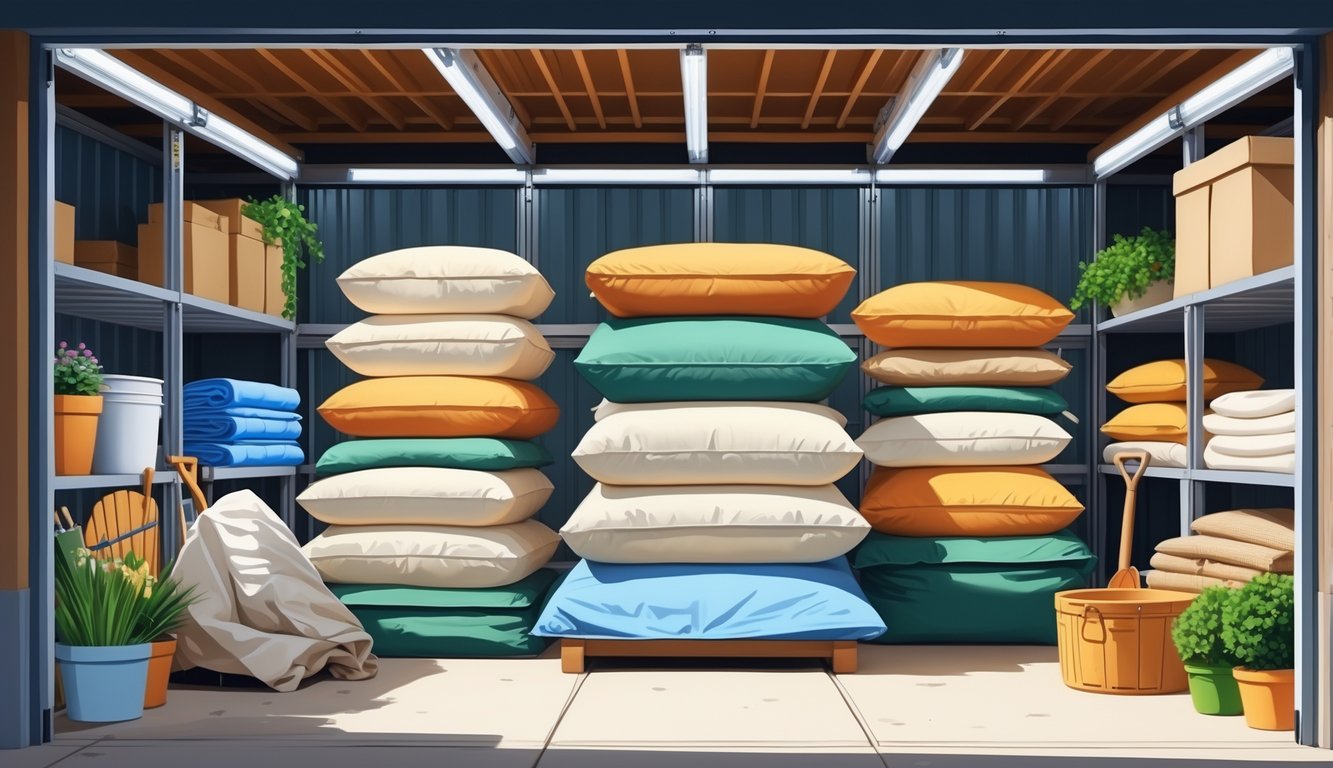
When seasons change, I always look for ways to protect my outdoor cushions from moisture, dust, and pests. Cushions can easily trap water and dirt, which leads to mold or mildew if they’re not stored properly.
Before placing them in my storage unit, I make sure each cushion is clean and dry. I know that even a small amount of moisture can cause big problems over time. Washing the covers and letting them dry completely helps prevent mold growth.
I use sealed plastic bins or weatherproof storage bags to keep out moisture and pests. Using a labeled container also makes it easy to find what I need later. According to experts, using proper containers is one of the best ways to protect outdoor cushions from mold.
Stacking cushions loosely prevents them from getting squished or losing their shape. It’s smart to avoid putting heavy items on top, which can flatten the filling. I also add a few silica gel packs in the container to keep humidity under control.
If I need to store several cushions, I’ll organize them by size or set, so it’s simple to set up my patio when warm weather returns. Some people use vacuum storage bags, but I’ve found that keeping a little air inside helps maintain the cushion’s structure.
Short-term storage might not require as much protection if the space is climate controlled. For long-term storage, making sure everything is sealed and off the ground is key. This way, I can enjoy clean, comfortable cushions season after season without any surprises.
Best Practices for Seasonal Storage
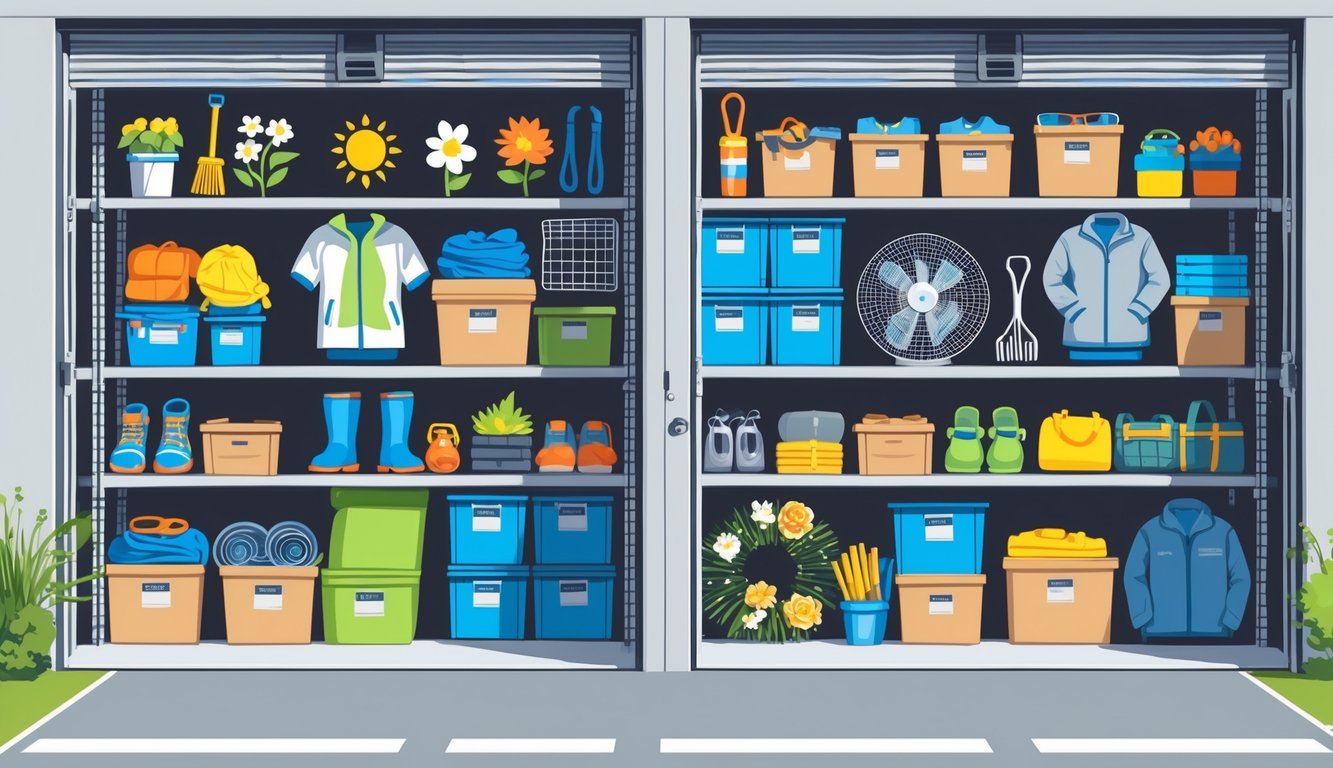
Storing your seasonal items properly keeps them in good shape and helps you use your storage space better. Careful preparation and the right environment can make a big difference for clothing, equipment, and decorations alike.
Preparing Items for Short-Term and Long-Term Storage
When I get items ready for short-term storage, I focus on easy access and basic protection. I use clear plastic bins with tight lids so I can see what’s inside and keep dust out. Labeling every bin helps me find what I need fast.
For long-term storage, protection against moisture and pests is essential. I wash and dry all fabrics to prevent mildew. I wrap fragile items in bubble wrap or soft towels. Storing electronics or batteries? I remove batteries to prevent leaks.
I create a checklist for the items I store and rotate them as the seasons change. I always put items for the current season near the front and move out-of-season things to the back for easier access. Following organized storage methods can help keep things easy to manage.
Climate Control Considerations by Season
Humidity and temperature can damage certain items if I’m not careful. During the summer, heat can warp plastics, fade fabrics, and ruin electronics. In winter, cold and moisture may cause wood furniture to crack or metal to rust.
If I’m storing anything sensitive—such as instruments, photos, or electronics—I choose a climate-controlled unit. This helps me protect items from extreme temperature swings. For humid months, I place silica gel packs or moisture absorbers in the bins to prevent mold.
Seasonal swings also matter for outdoor gear. For example, I make sure to clean and dry camping gear before storing it after summer. Snow gear goes in only after it is dry, free of salt or mud, and safely packed away. Using a climate-controlled unit ensures my belongings remain protected throughout the year.
How to Rotate Belongings Efficiently
Rotating your storage is about saving time and keeping everything easy to find. Good planning and smart systems will help you switch out seasonal items with less hassle.
Labeling and Organization Strategies
I always start by sorting items by season, then group them in clear plastic bins with tightly sealed lids for protection. For clothing and smaller gear, I list contents on large, visible labels. I use bold, waterproof markers and stick labels on both the front and top, so I can read them no matter how bins are stacked.
Next, I create a simple inventory list for each container. A notebook or even a digital list on my phone works well. Every time I move items in or out, I adjust the list to stay current. Tidy piles and clear aisles let me walk straight to what I need.
I place the bins for the current season near the front for easy access. Out-of-season items go toward the back. This method, also suggested by storage experts, cuts down on wasted time and energy trying to find things as seasons change. For more organization tips, read practical self-storage strategies to keep your items in order all year.